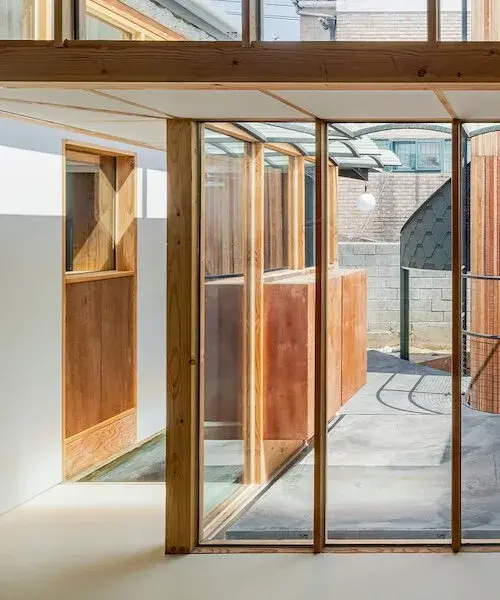
This house gains a courtyard by deleting its living room
In Seoul, Saekdong House removes the old living room to restore a courtyard, moves floor area into an annex and keeps the air-raid shelter. Renovation begins by redistributing what exists.
Archive
IRZ archive, page 6.
In Seoul, Saekdong House removes the old living room to restore a courtyard, moves floor area into an annex and keeps the air-raid shelter. Renovation begins by redistributing what exists.
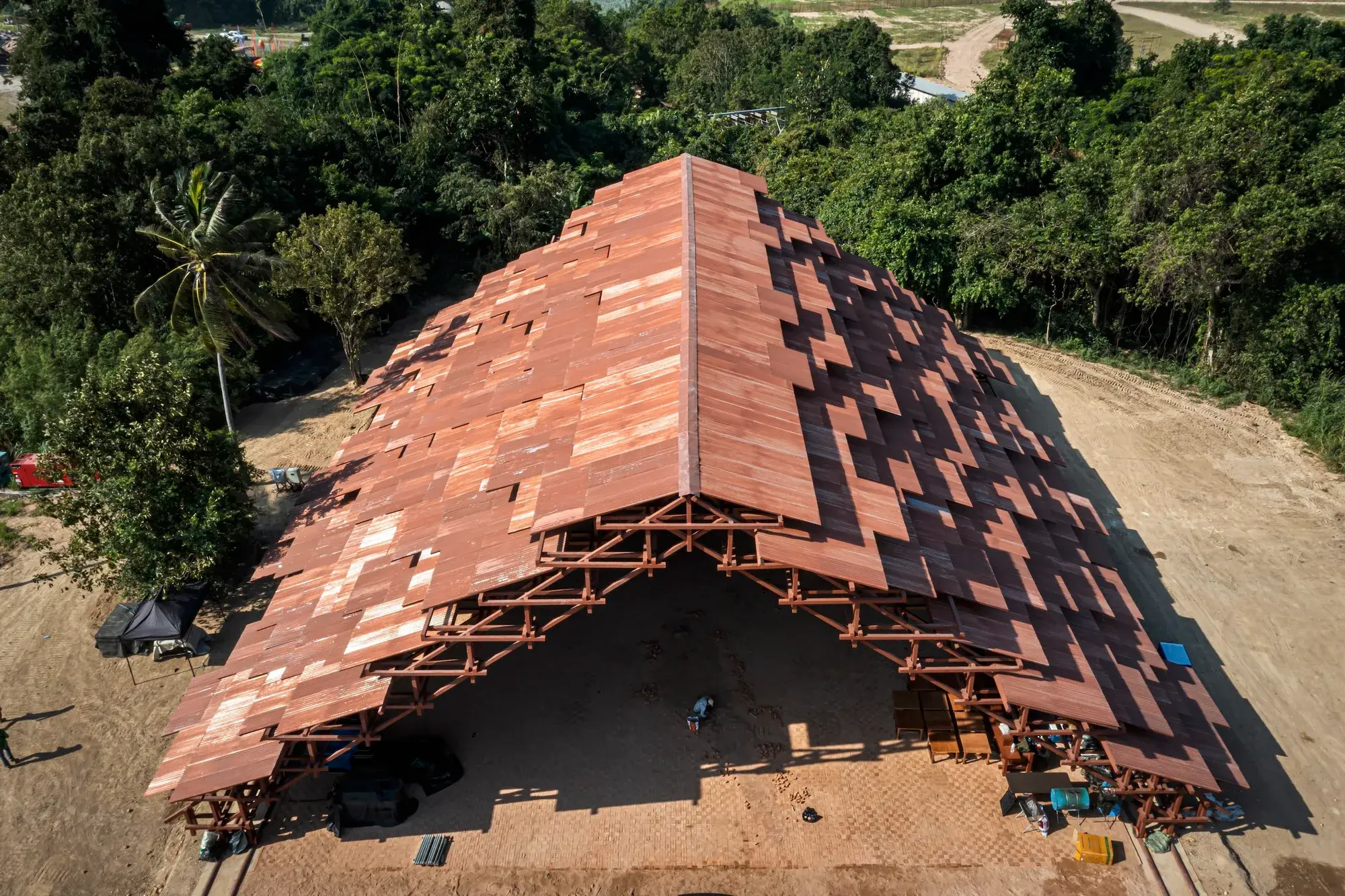
Boonserm Premthada calls Neramit non-architecture. The useful move is more concrete: start from six-metre stock tubes, reduce offcuts and make one roof perform several jobs at once.
At DTU, a model links water films, geometry and PCB leakage current. Its useful role is not replacing climate tests but exploring parameters between experiments.
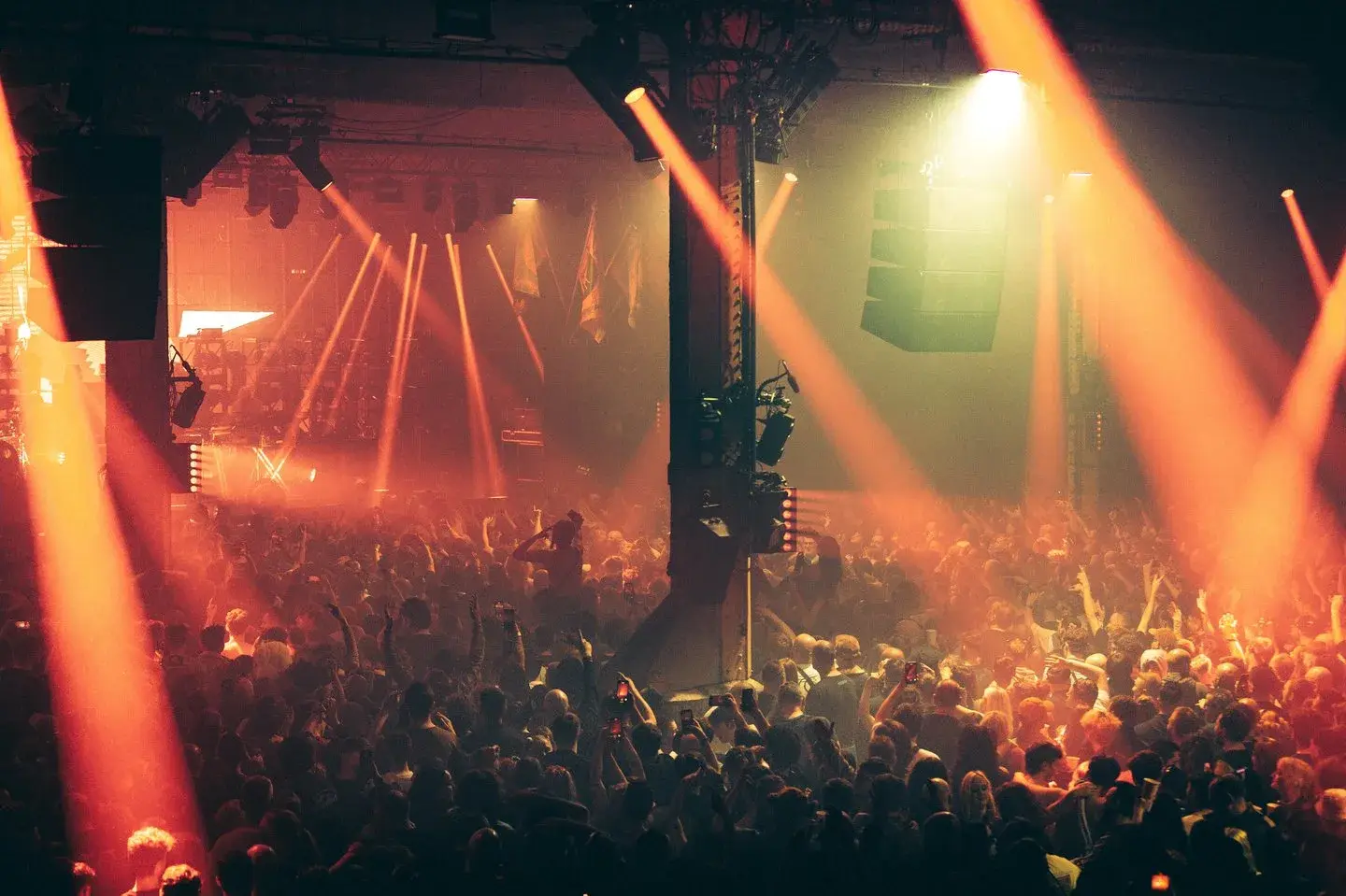
Three Warehouse Project photographers show why a durable archive cannot be built from headliners alone: arrivals, pauses, gestures, crowds and the end of the night carry the culture forward.
A pull request can take minutes to generate and still demand real review work. Projects are therefore filtering less for whether code exists and more for evidence that a human actually owns it.
DuckLabs is set to join AWS in September, while the Foundation retains DuckDB's IP and trademarks. Independence will be easier to judge through roadmap and extension control.
Ilya Birman's 'Let me click' principle accepts intent before repairing dependencies. A reliable target must look actionable, be reachable and produce a coherent state.
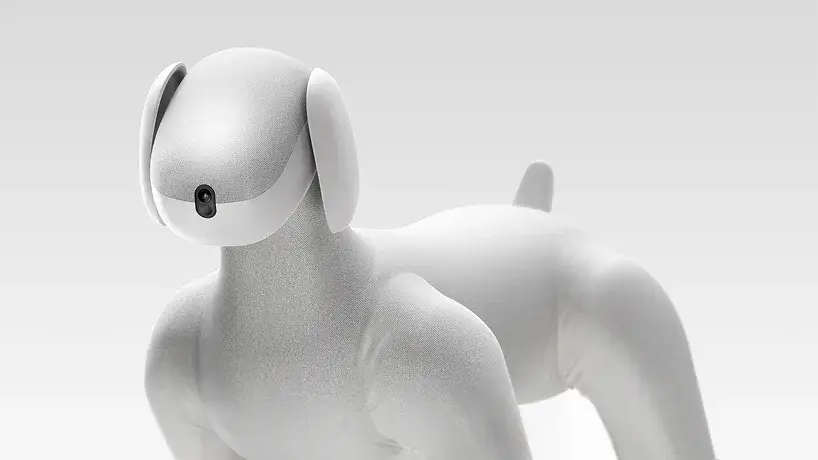
The Lassie concept wraps a quadruped in a removable knitted suit while keeping impact zones hard. Softness becomes a replaceable layer rather than the structure.
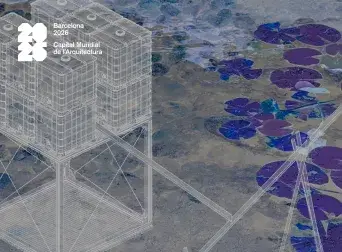
Plou prou? materializes more than 12,000 litres of evaporation over fourteen days. What it exposes is the daily cost of maintaining an architectural image.

Scanwheel displays 4,096 × 20 pixels with a printed drum and five LEDs. Width mostly costs memory; height means rebuilding the mechanics.