This Ape camper saves 130 kg for water, batteries and a bed
Furlani’s Piaggio Ape carries a 70 kg shell before interior equipment, versus the project’s 200 kg fiberglass reference. The saved 130 kg becomes budget for everything else.
Archive
IRZ news, analysis and ideas about Craft.
Furlani’s Piaggio Ape carries a 70 kg shell before interior equipment, versus the project’s 200 kg fiberglass reference. The saved 130 kg becomes budget for everything else.
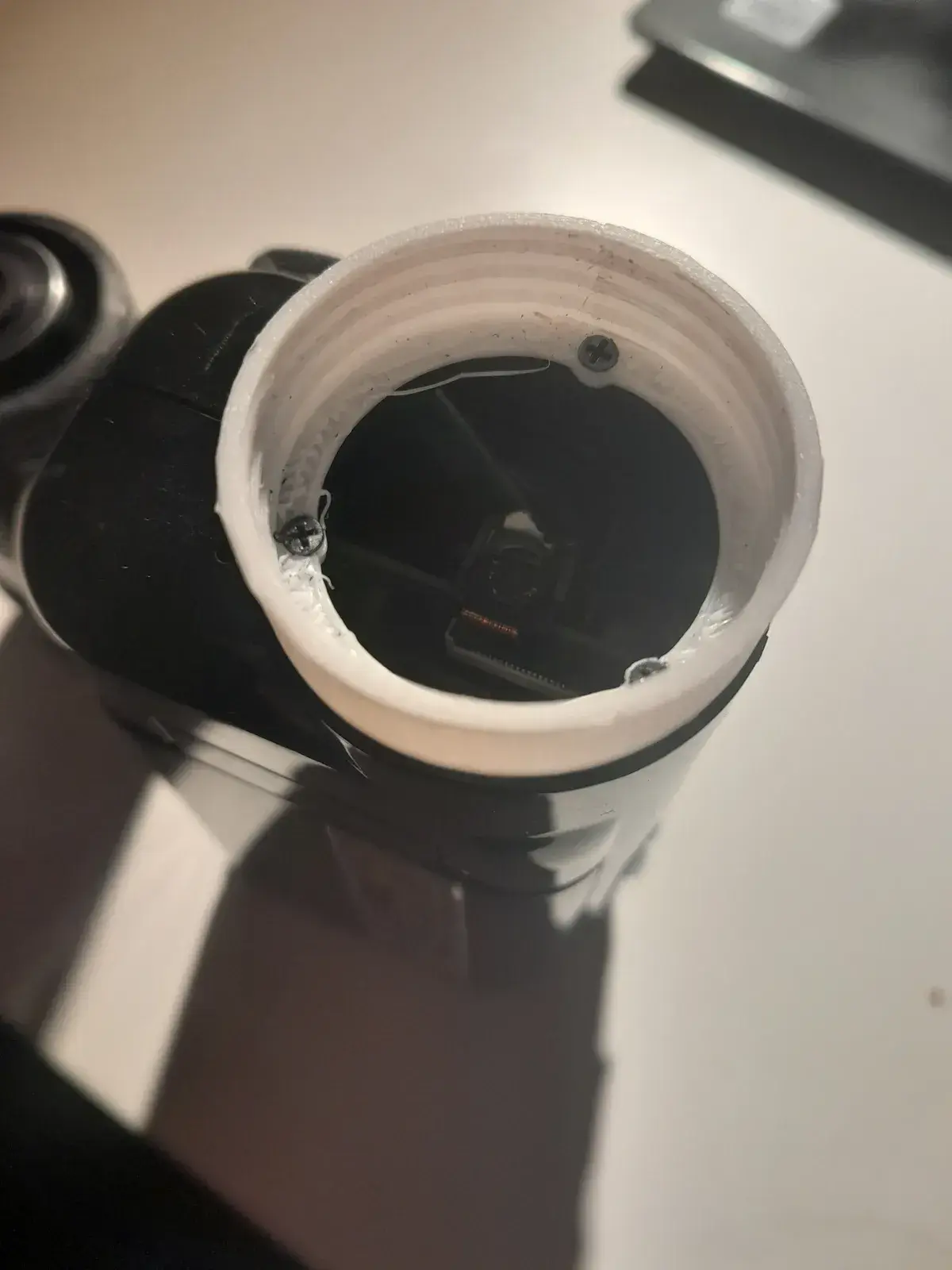
A 'C-mount lens' bought for $20 on eBay turned out to be a Super 8 projector lens. Mason Mirabito redesigned his 3D-printed adapter around it, and learned why a camera's geometry has to be discovered with a file.
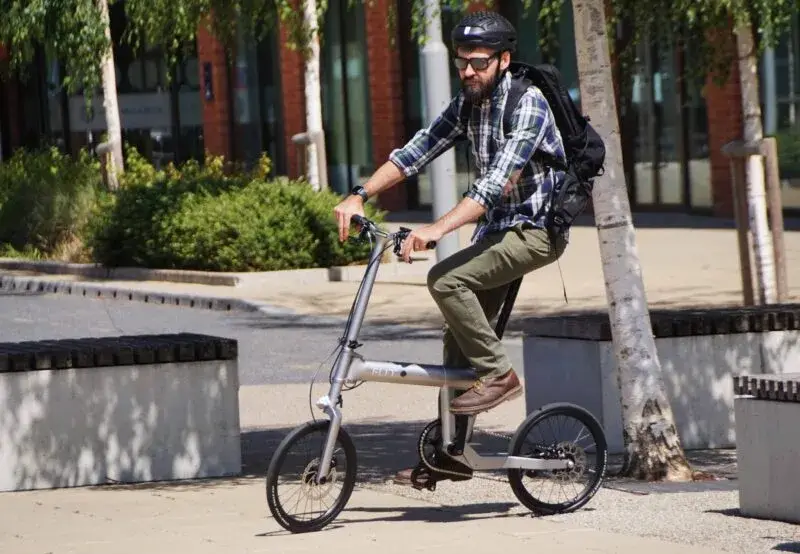
The FLIT M2i swaps the welds on its aluminium frame for structural adhesive. Welding weakens thin tubes; bonding buys back alignment and weight, but raises repair questions that are not new.
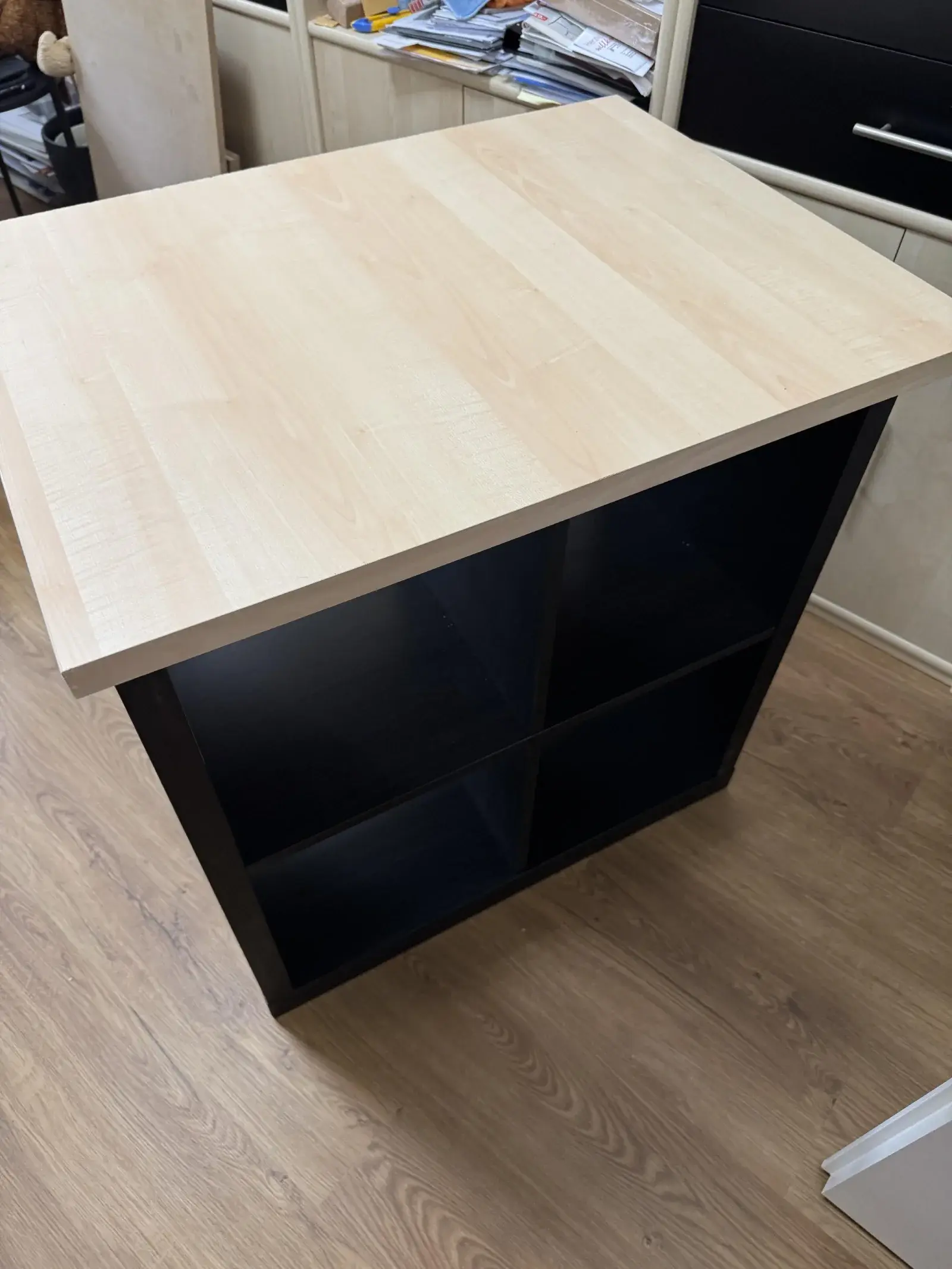
Michael Green built a €130 workbench from a KALLAX unit and an old desk top, against €1,000 for custom furniture. The point is not the price, but a standard module becoming a reversible fabrication platform.
Travis Mitchell turned a used Denso industrial arm into a badminton shuttlecock feeder. The robot behaved. Two small launch wheels nearly sank the whole project.
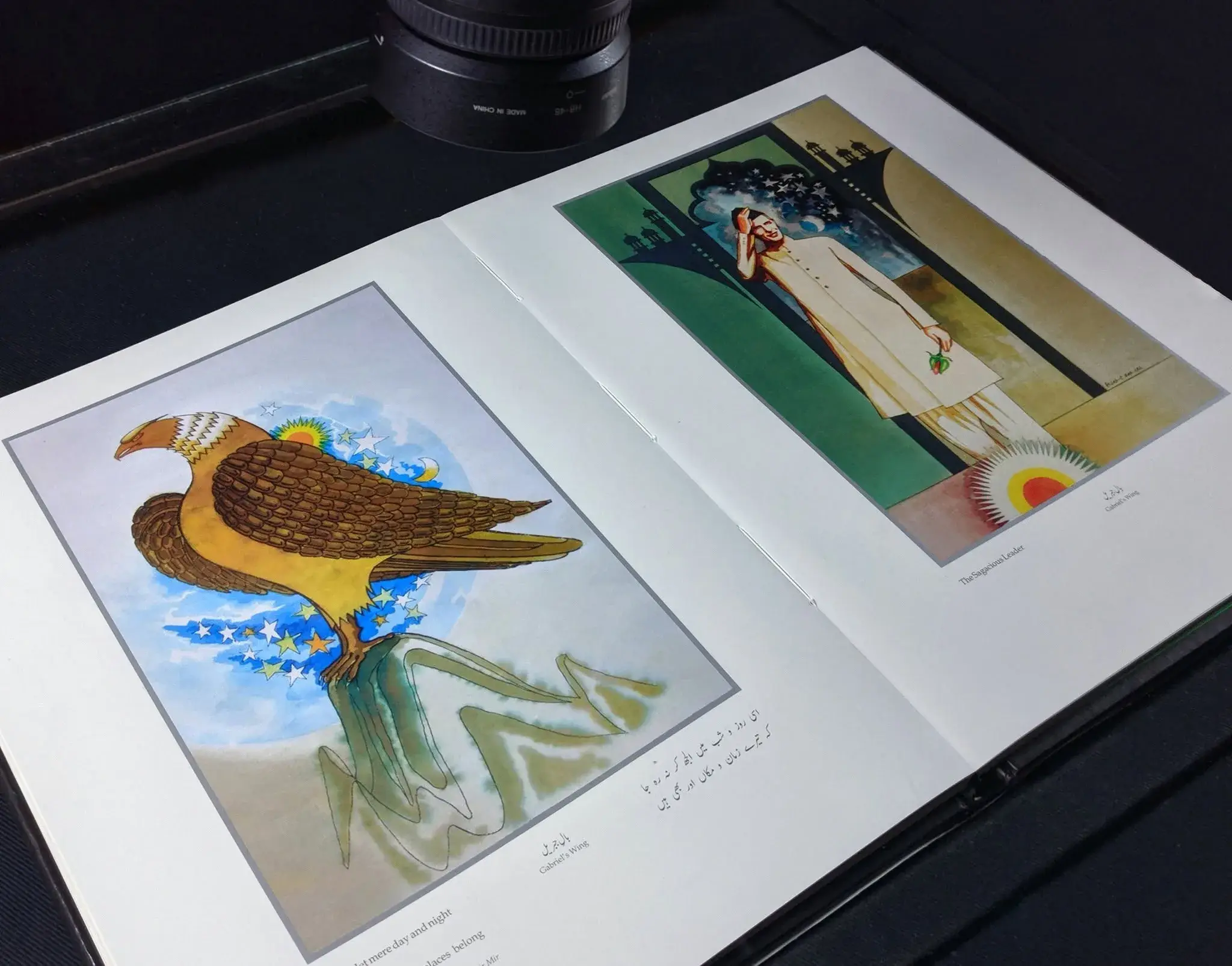
A community archive spent ten years fixing photographs of Urdu books by hand in Photoshop. When it had to stop, 526,000 scans remained. It recycled its own corrections to train the pipeline that replaced them.
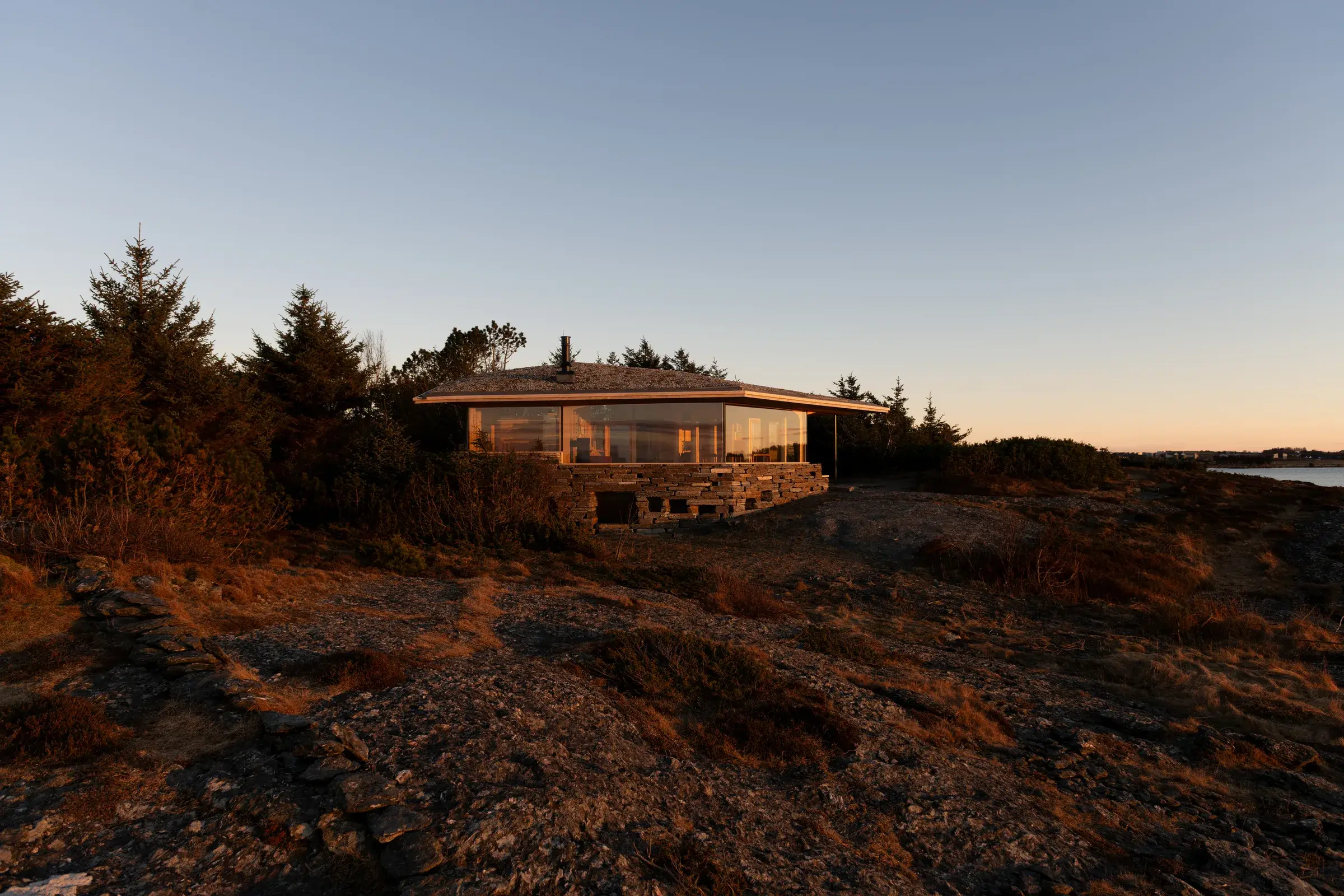
At Randaberg, an 112 m² cabin rests on eighteen whole spruce trees kept with their roots: the root-starts form a timber knee, as in Viking hulls, made precise by 3D scanning and robotic milling.
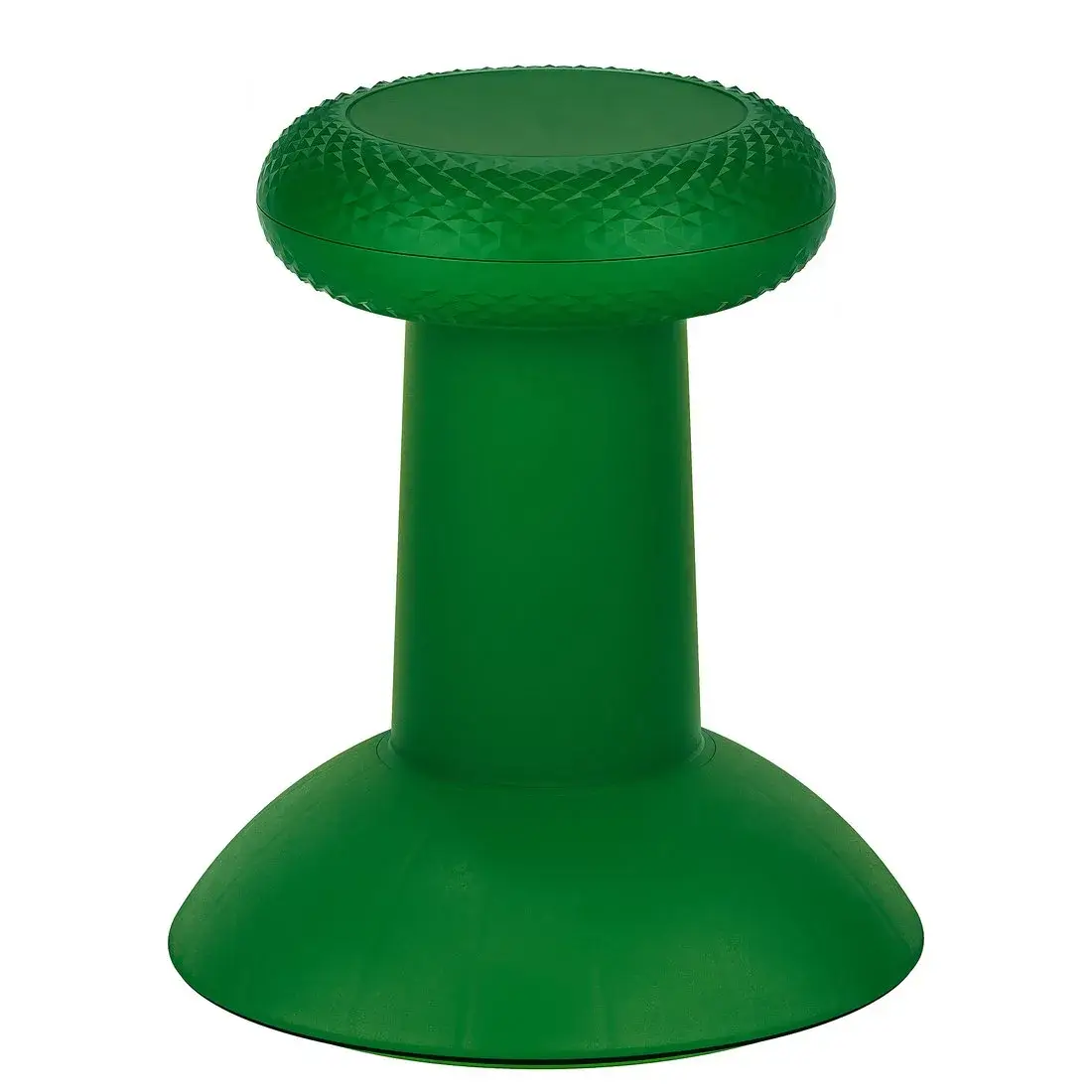
IKEA and Xbox built a stool from the controller stick's original 3D files. It tilts in every direction, but nothing brings it back to center: that job is yours.
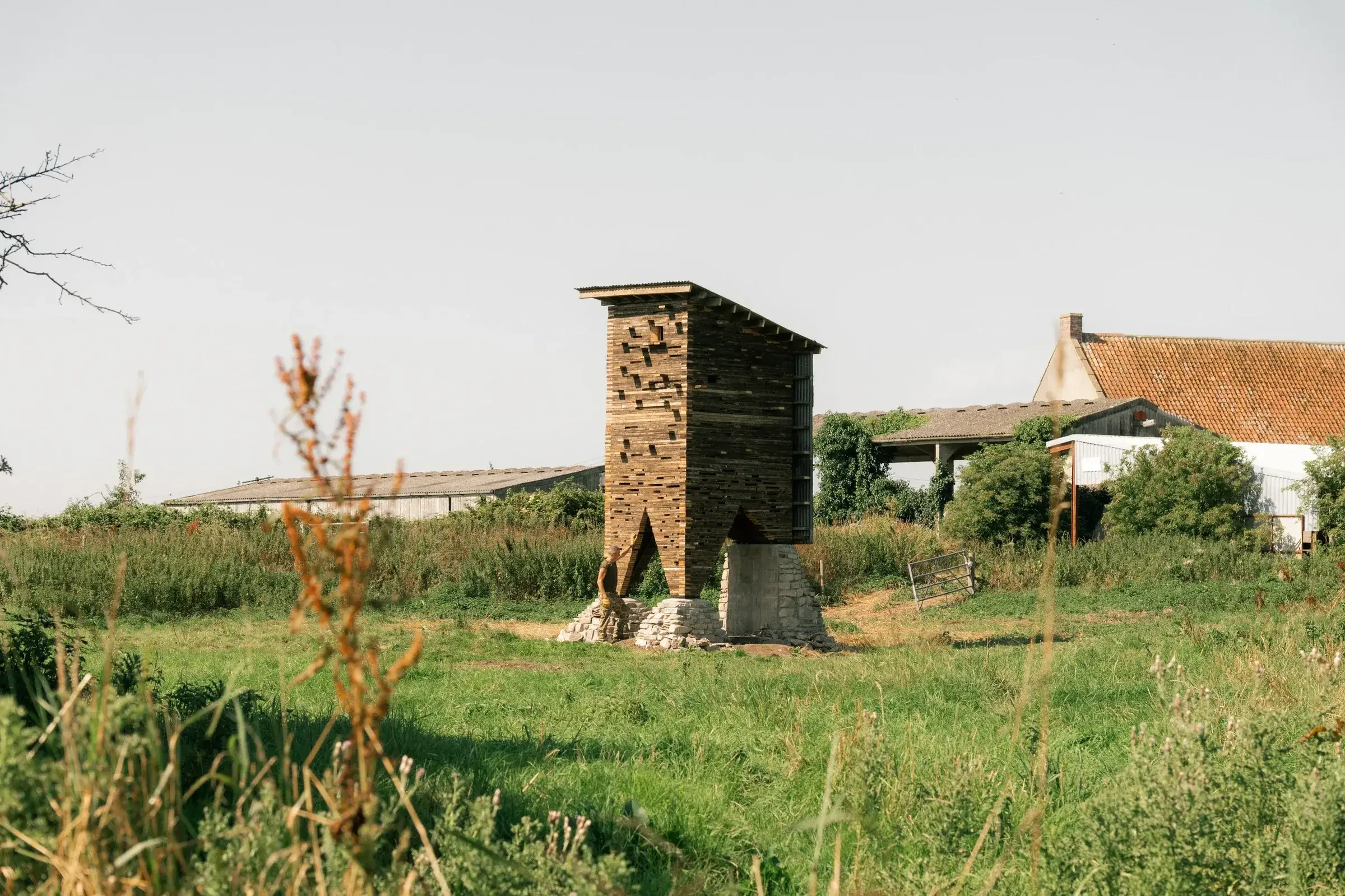
A five-metre-plus tower stacks reclaimed materials to house bats, owls and insects. The twist: its timber skin is designed to rot, while a hidden steel frame keeps the structure upright.
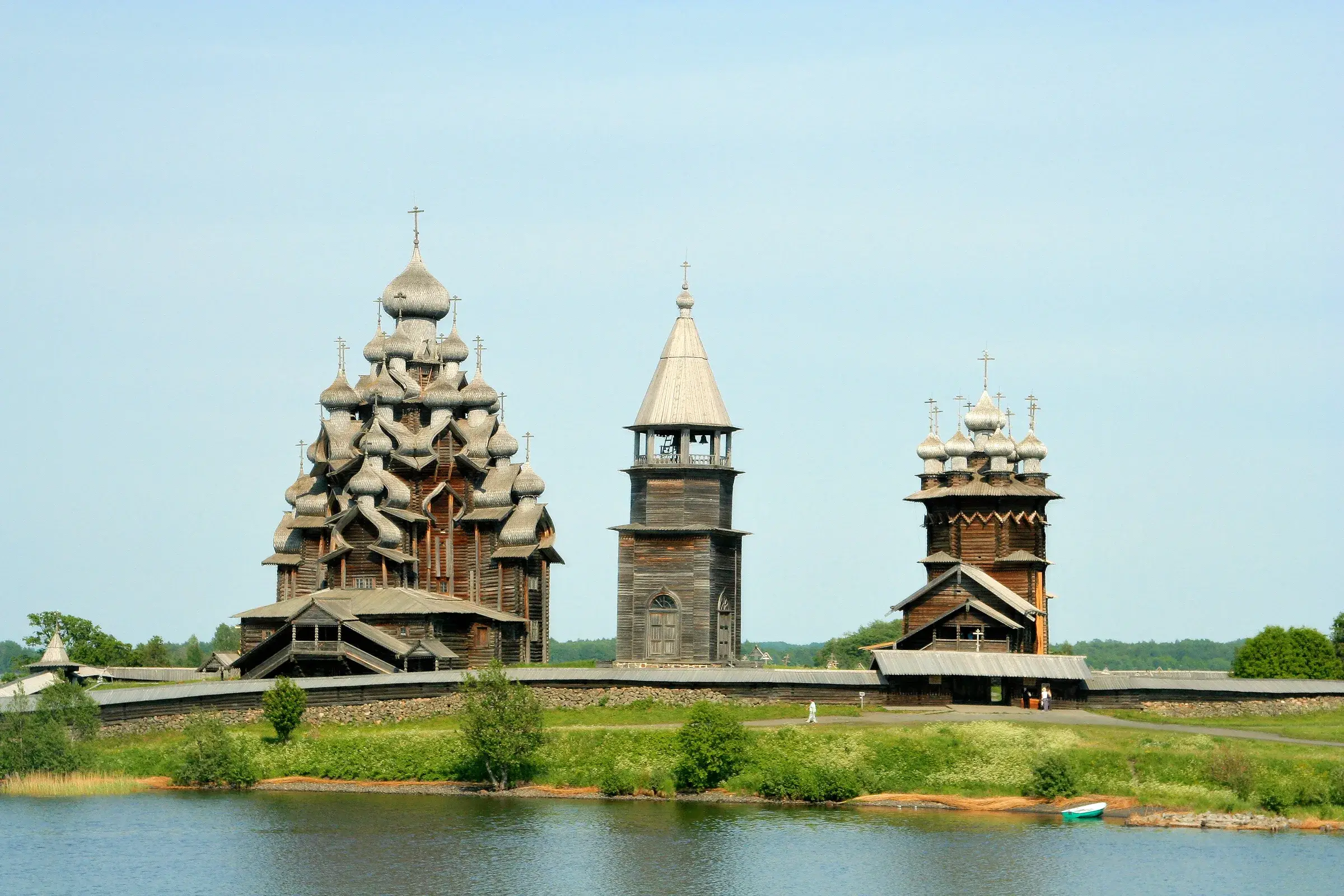
Kizhi Island is not getting another sculpture. A slatted timber frame points the visitor at the Pogost from the north, turning a touristic stop into a built way of looking.