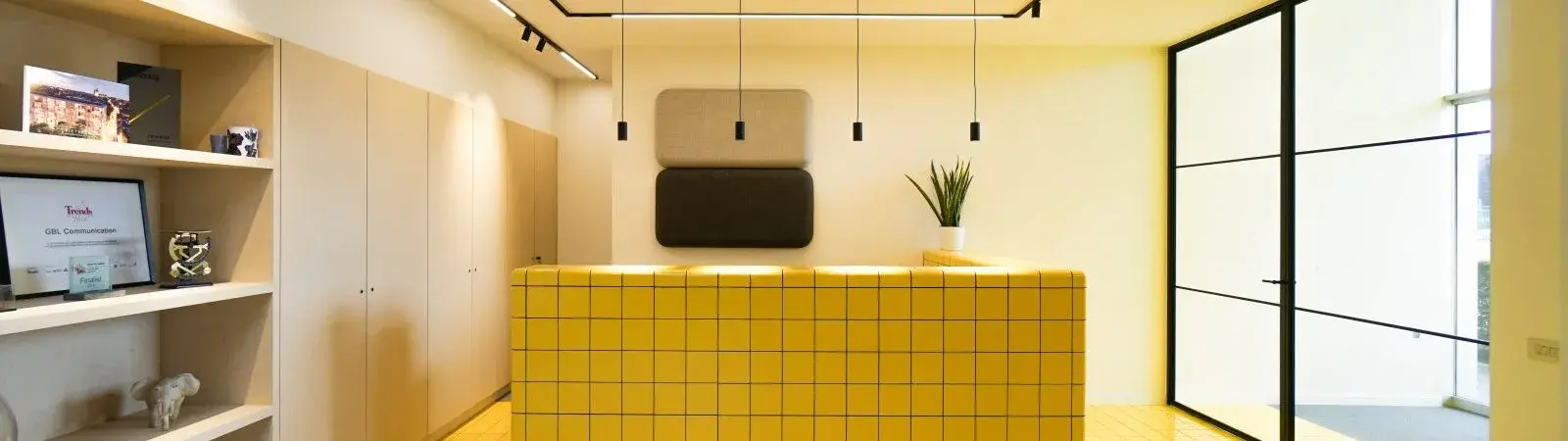
The World Is Not Flat — and Neither Are Their Tiles
Three Dutch industrial designers built a tile system that follows curves, corners, and volumes. No one could manufacture it, so they bought a factory.
Archive
IRZ Craft archive, page 2.
Three Dutch industrial designers built a tile system that follows curves, corners, and volumes. No one could manufacture it, so they bought a factory.

The Berninox 316 separates two lifetimes: a 316L stainless-steel handle that stays, and a small multi-material head that wears out. Less dramatic than zero waste, but more useful.

Sala Kin Khao is not amphibious: its floor stays fixed 70 cm above the ground. Its real strategy combines a threshold, a 3 m grid, dry construction and parts that are easier to inspect and repair.
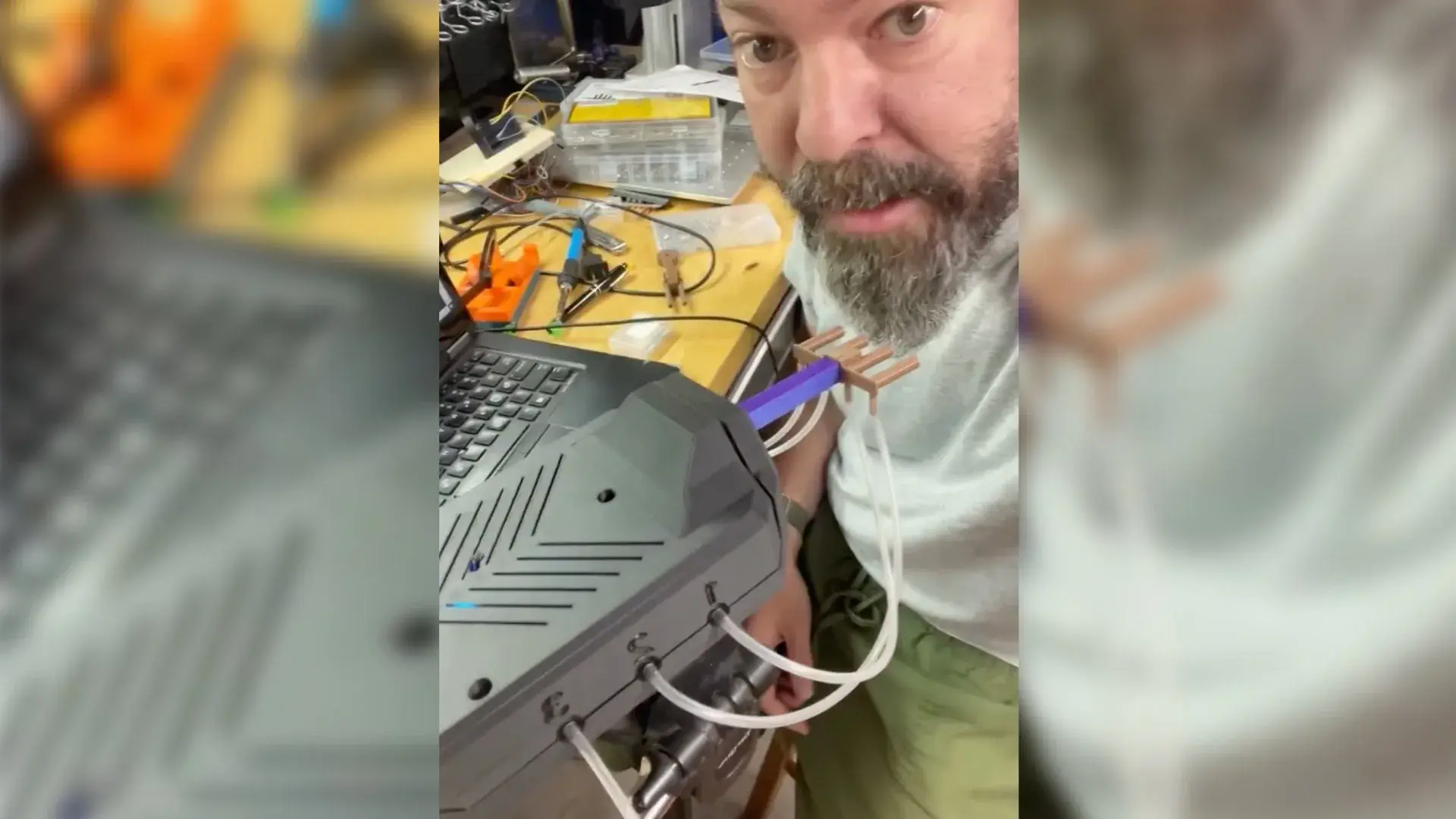
Caleb Kraft's prototype brings sip-and-puff electronics down to about $40. Its code shows a capable gamepad architecture, but a testable assistive device costs more than its BOM.
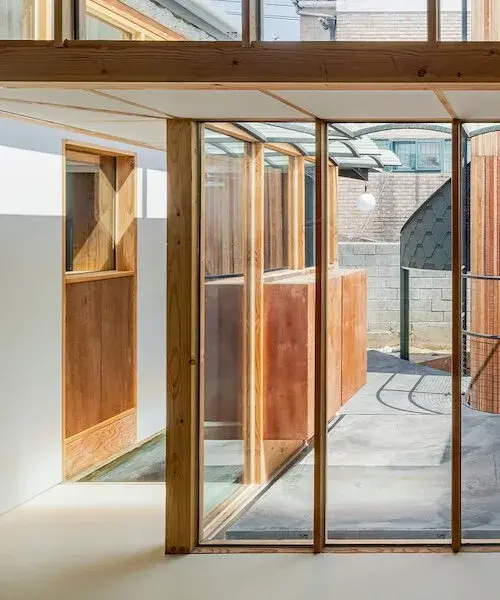
In Seoul, Saekdong House removes the old living room to restore a courtyard, moves floor area into an annex and keeps the air-raid shelter. Renovation begins by redistributing what exists.
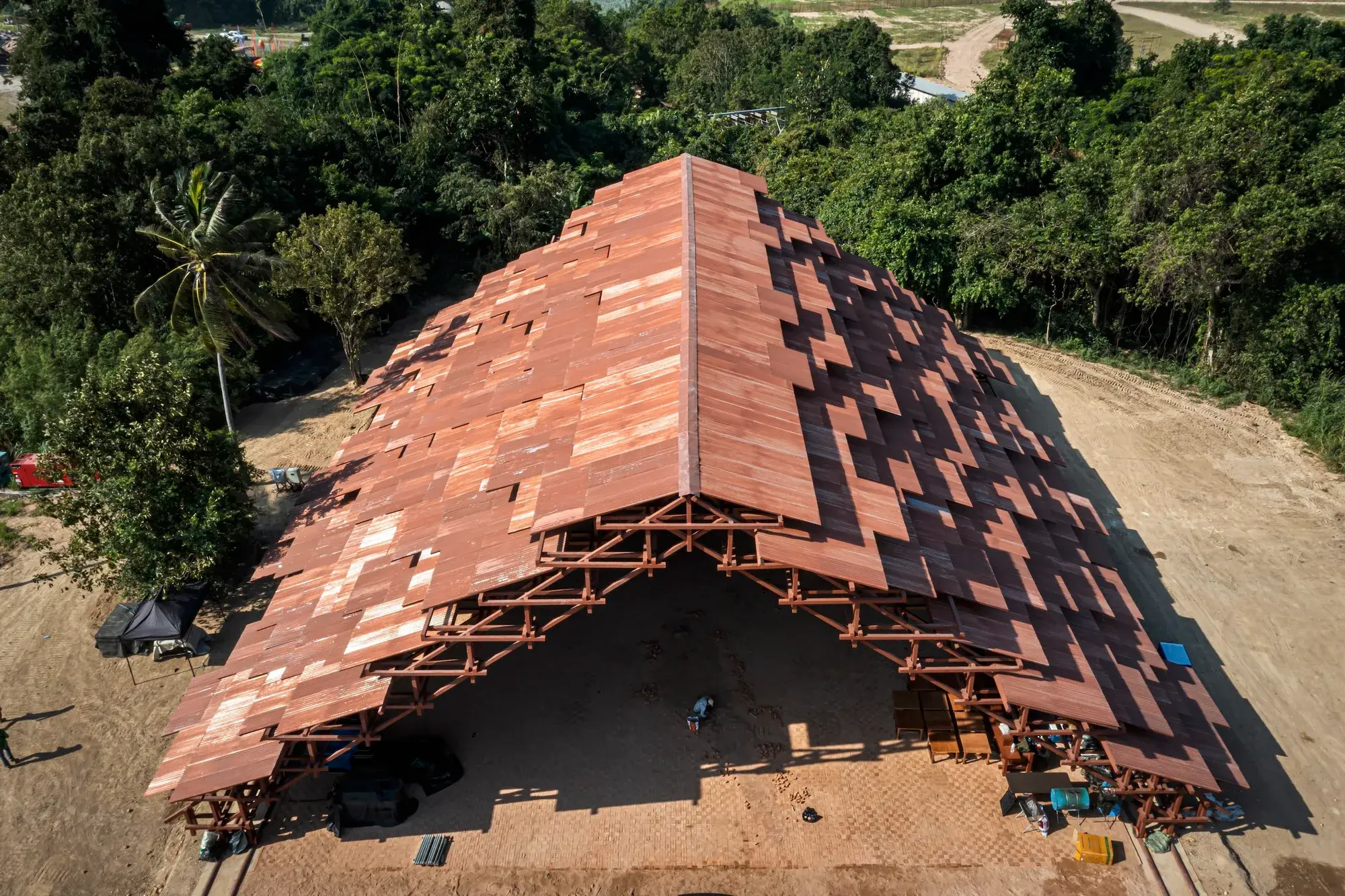
Boonserm Premthada calls Neramit non-architecture. The useful move is more concrete: start from six-metre stock tubes, reduce offcuts and make one roof perform several jobs at once.

The Lassie concept wraps a quadruped in a removable knitted suit while keeping impact zones hard. Softness becomes a replaceable layer rather than the structure.
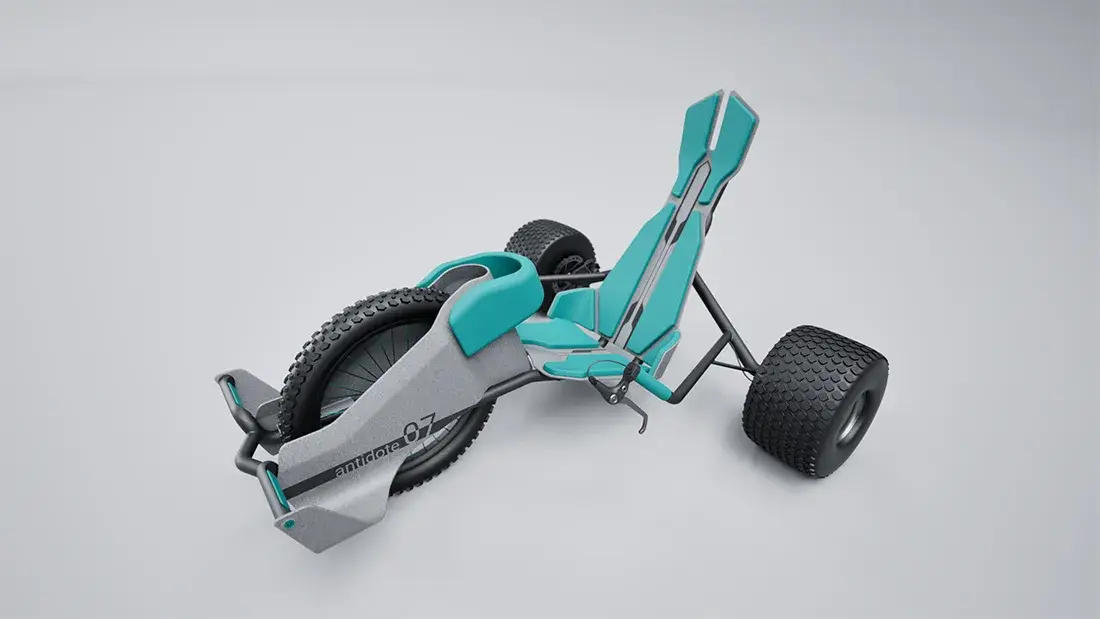
Antidote carries no motor: the lift supplies altitude and gravity supplies the descent. The real product is a loop built around existing ski infrastructure.
At Notion's headquarters, IA does not disguise the mismatch between a 1907 building and a new office plan. The visible patch becomes a design method.
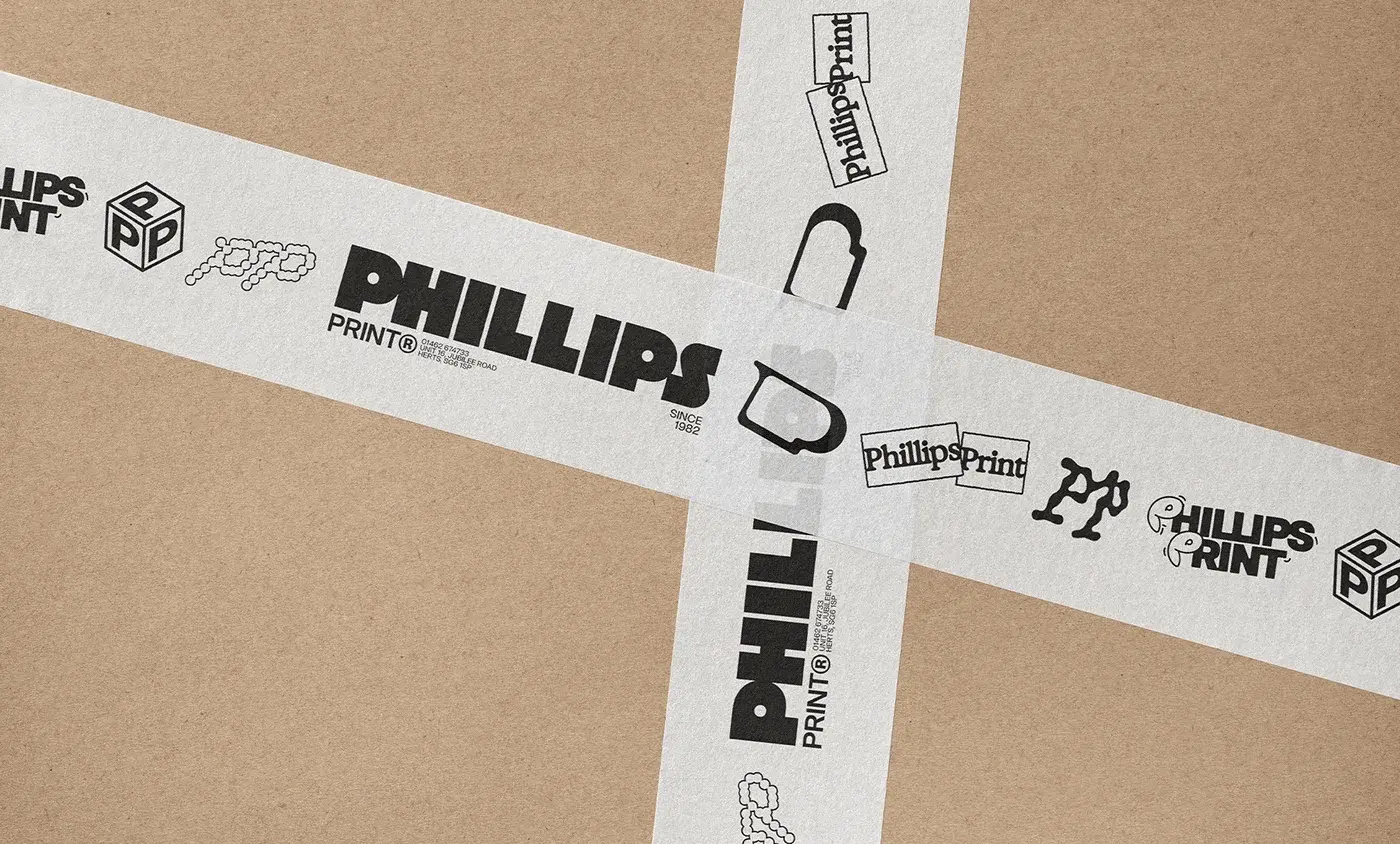
Laura Clink did not hand Phillips Print one locked logo. The printer was already testing flyers, stickers, merch and vinyl during development before receiving nine interchangeable marks.